Exactly How To Review A Peptide Purity Test: Hplc, Mass Spectrometry And Coa Analysis For Uk Scientists 2026
Peptide Quality Assurance & Purity Screening Boc Sciences
During solid-phase synthesis, each amino acid combining step has a return of about 99-- 99.8%. When a combining falls short, the growing chain is topped to prevent additional elongation of the wrong series. The result is a peptide that's shorter than meant-- missing one or more amino acids.Inconsistent fragment dimension circulation and morphology can influence bioavailability and security. BOC Sciences is equipped with instruments like DLS, TEM, SEM, etc, to totally assess nanoparticle dimension, circulation, and microstructure. For us, purity isn't just a percentage-- it's a guarantee of honesty, uniformity, and respect for the science being done.
How To Review An Hplc Chromatogram
For scientists, obtaining validated peptides isn't simply a formality-- it's the foundation of reputable experiments and research study reproducibility. Poor-quality peptides (those with unseen pollutants, inaccurate sequences, or deteriorated parts) can result in misleading data and irreproducible outcomes. In fact, proteins and peptides are among one of the most widely used lab reagents, yet research studies have shown that their high quality is commonly inadequate, resulting in bad data reproducibility. Beginning with appropriate laboratory validation is as a result a vital part of a researcher's quality assurance workflow.
What Can We Supply?
In addition to HPLC and MS, specialized laboratories might use orthogonal techniques for included precision. For instance, capillary electrophoresis can be used to separate extremely hydrophilic peptides or to double-check outcomes, and MALDI-TOF mass spectrometry can assist in mapping bigger or customized peptides. Numerous peptide producers or suppliers will provide a COA (Certificate of Analysis), as an example our bpc 157 tb 500 blend, that consists of the purity percent by HPLC and identification confirmation by MS for every set. Top-tier labs frequently report peptide purity well over 95%, regularly ≥ 98-99%, by utilizing state-of-the-art HPLC and MS evaluations. They additionally check both raw materials and completed peptide vials, which assists catch any contaminations, degradation items, or formulation inconsistencies.By demanding peptides that come with confirmation of purity and identity, researchers can greatly decrease the risk of speculative artefacts. Alternatively, making use of peptides that have passed third-party laboratory recognition helps guarantee that the observed experimental effects are genuinely due to the desired peptide and not due to impurities or mistakes. When you see peptides advertised as "research-grade," it refers to their intended use and the level of producing oversight. Research-grade peptides are created laboratory study use just-- they are not generated under pharmaceutical GMP standards and are not indicated for use as rehabs or in human beings. These peptides include a basic quality control plan, typically consisting of HPLC purity analysis and MS verification of identification, guaranteeing they meet scientific requirements for pureness and composition.
Store Coa-verified Research Study Peptides
- Numerous peptide programs encounter analytical uncertainty prior to they fail scientifically.
- For a 30-residue peptide at the same effectiveness, that goes down to roughly 86%.
- With high degrees of experience in carbohydrate chemistry and our thorough peptide evaluation platform, Innovative Peptides can give top quality peptide purity decision services.
- Various other spectroscopic strategies, such as Infrared (IR) or UV-Vis evaluation, are in some cases used for rapid high quality checks or architectural verification.
- If you see multiple huge peaks of comparable height, you're checking out either a low-purity sample or a blend.
Either can be appropriate, however third-party screening is the gold standard for research-grade materials. Recurring solvents, such as DMF, acetonitrile, or DMSO, are measured using gas chromatography (GC) methods. These solvents can affect peptide performance, so exact metrology is essential to ensure pureness and avoid contamination in experimental settings. Peptide security is analyzed under different problems to make certain integrity during research study and item growth.
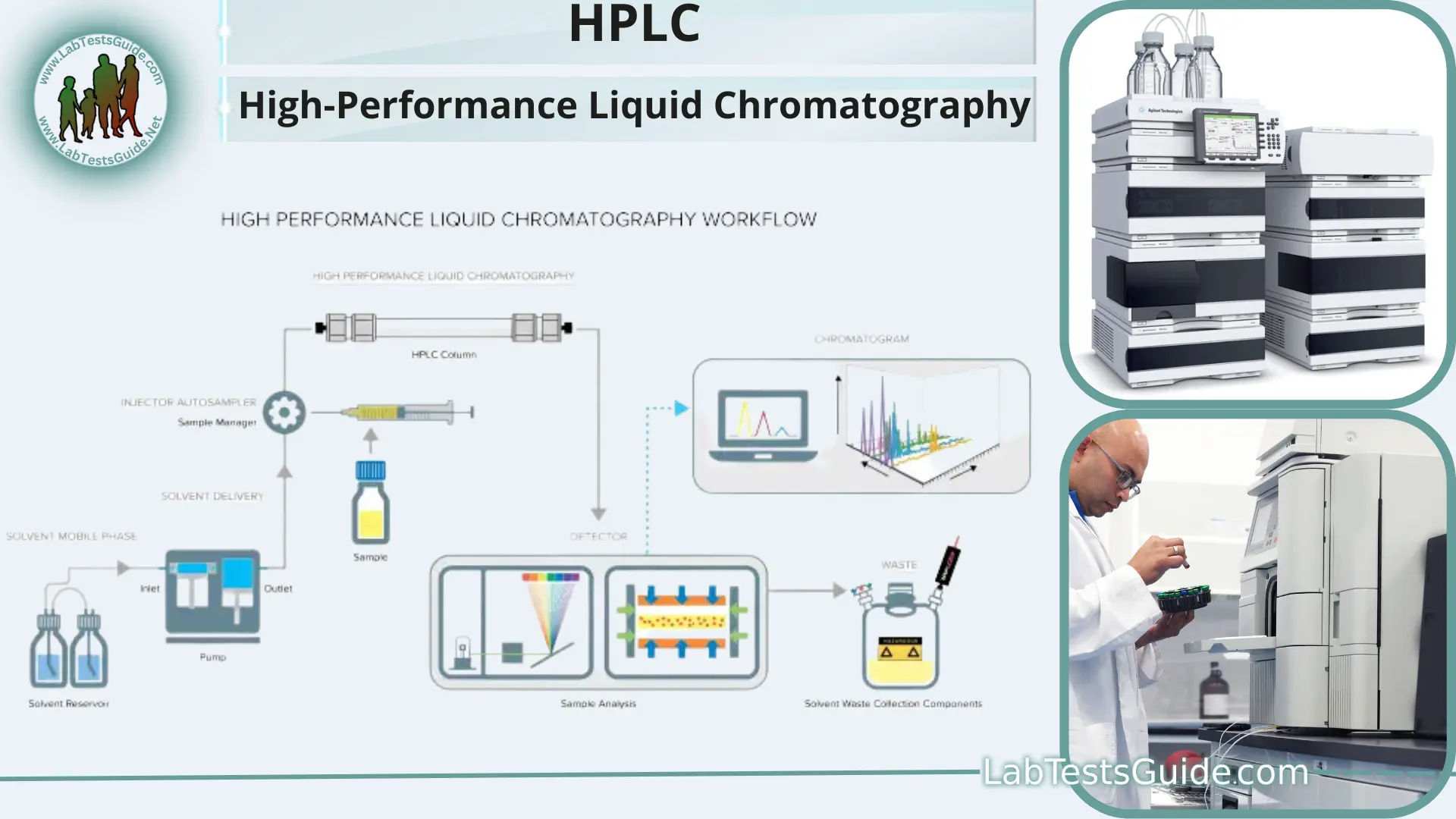
Enhancing HPLC, research laboratories use Mass Spectrometry (often combined as LC-MS) to validate the peptide's molecular weight and sequence identification. Mass spectrometry gives molecular confirmation by detecting the precise mass of the peptide and any co-eluting varieties or trimmed sequences with high precision. With each other, HPLC and MS information permit analysts to verify that the peptide's make-up matches what it must be (proper amino acid sequence and expected modifications) and that no considerable pollutants exist. The injector introduces a specific quantity of example right into the mobile-phase stream. Regular injection volume issues due to the fact that straining the column can broaden peaks, misshape pureness estimates, or hide neighboring pollutants. A strong peptide testing process utilizes methods that respond to corresponding inquiries. The table below is Exercise Physiology the sensible way to think about usual examinations when reviewing a peptide Laboratory Analysis COA.