Confirmed > 99% Lab-grade Peptides
Peptide Testing: Hplc & Mass Specification Pureness Guide Apex
Innovative Proteomics is a trusted provider of proteomics analysis services. Many thanks to our outstanding scientists and effective mass spectrometry system, we off gives worldwide customer with thorough and specialist peptide purity analysis solution by using RP-HPLC. If you have any type of questions or details demands, please feel free to call us.Peptide Practical Evaluation In Biomedical Research
- Determining peptide purity is generally done with analytical high-performance liquid chromatography (HPLC), often combined with mass spectrometry (MS) for identity confirmation.
- These techniques assist determine the peptide's make-up, confirm the molecular weight, and find any structural changes or contaminations, making certain the peptide satisfies top quality and specification needs.
- This method divides peptides from contaminations and evaluates both target peptides and pollutants, ensuring high-quality samples for study.
- It's possible to have a peptide that is, claim, 95% pure by HPLC and yet the internet peptide web content is something like 70% of the powder's weight (the rest being water and salts).
Complementing HPLC, research laboratories use Mass Spectrometry (commonly coupled as Get more information LC-MS) to confirm the peptide's molecular weight and series identity. Mass spectrometry gives molecular confirmation by discovering the precise mass of the peptide and any co-eluting varieties or abbreviated sequences with high precision. With each other, HPLC and MS data allow analysts to validate that the peptide's make-up matches what it must be (right amino acid series and expected modifications) and that no considerable impurities exist.
It's possible to have a peptide that is, state, 95% pure by HPLC and yet the web peptide web content is something like 70% of the powder's weight (the rest being water and salts). Do not be startled-- this is regular and is usually determined by separate analyses (like amino acid analysis). Peptide pureness is most typically determined by high-performance liquid chromatography (HPLC) with a discovery wavelength of 220 nm, which is optimal CJC-1295 for detecting peptide bonds. This technique divides peptides from contaminations and evaluates both target peptides and impurities, making certain high-grade samples for research.Research Uses Peptide Chemical & Physical Analyses
These can be especially troublesome due to the fact that their chromatographic actions is very comparable to the target peptide, making them harder to divide throughout filtration. When a peptide is 98% pure, that staying 2% isn't arbitrary sound-- it specifies, recognizable kinds of by-products. Mass spectrometry determines the molecular weight of a compound with extreme accuracy. For peptides, the most common methods are electrospray ionization (ESI-MS) and matrix-assisted laser desorption/ionization time-of-flight (MALDI-TOF). HPLC divides a mixture right into its individual components based upon just how each particle connects with a specially made column.Straight from the synthesizer with minimal handling-- usually just cleavage from the material and rainfall. Pureness ranges commonly, from 40% to 80%+ depending upon sequence length and trouble. Crude peptides appropriate for applications where pureness isn't critical, such as antibody production or first screening assays where the target peptide just requires to be existing, not dominant. Very closely connected to truncations, deletion peptides are full-length chains that are missing out on one amino acid somewhere in the middle. If covering isn't flawlessly reliable, an uncoupled chain can continue to elongate in subsequent actions, creating a peptide that's just one deposit except the target.
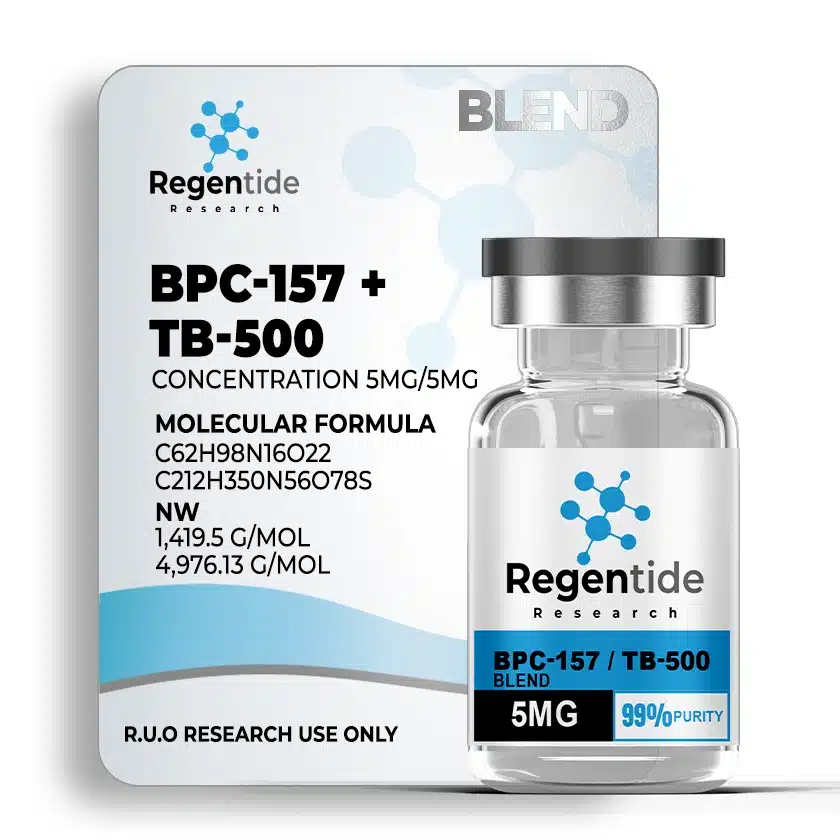
If the COA notes "overall pollutants", that complements the pureness number (e.g., 98% purity implies 2% overall contaminations). Lots of COAs likewise specify recognized or "specified impurities" versus unspecified ones, each with their individual percentages if above a specific limit. This level of information aids scientists recognize if any type of minor peptide by-products are present. If you see several large peaks of comparable elevation, you're looking at either a low-purity example or a mixture. If the major optimal has a noticeable "shoulder"-- a bump on one side-- that often shows a very closely related contamination (like a deletion peptide) that the column could not completely fix. The peptide is passed through an easy filtration action (usually gel purification or a fast reversed-phase cleaning) to get rid of salts, small-molecule by-products, and scavengers from the cleavage step.